
The FxPro account, in plain terms
The apps this site reads are published under the FxPro name or sit beside it. This page states only what the broker itself publishes in the text this site could read, and what the rules of the reader's country say about sending money abroad. It is a factual page about the account, not a sales page.
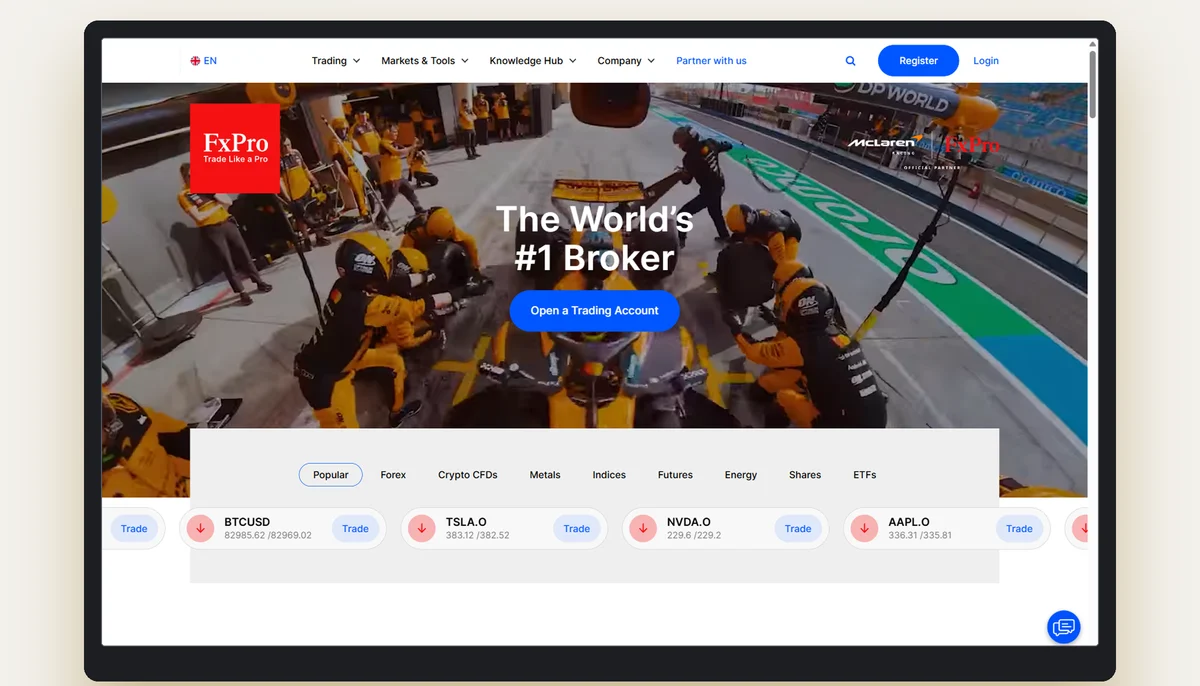
A contract on a price, beside shares you own through a South African broker
A CFD is a contract between you and the broker. The contract's value moves with the price of an underlying instrument - a currency pair, an index, a commodity - but you do not own the underlying. Nothing is delivered to you and no asset is registered in your own name. The contract is settled for its difference in price when you close it.
This is different from buying shares through a South African broker, where the shares are held on your behalf and you are their beneficial owner. With a CFD, your relationship is with FxPro as counterparty. The position is a ledger entry in your trading account, and its value exists only inside that account. What you can do with it is close it, at a price FxPro quotes.
How to confirm on the FSCA register the entity named in your own agreement
FxPro states it holds South African authorisation through one of its entities. The client agreement names the entity your account is with. To check that entity, you can search the FSCA register on the FSCA's own website and look up the name given in your agreement. The register entry tells you that the entity is authorised, and for what category of financial services.
A register entry is not a promise about your account. It does not say that FxPro will treat you well, that your money is safe, or that you will profit. It says only that the entity named is authorised to provide the services listed. If the entity named in your agreement is not on the register, or the name differs, ask FxPro to explain before you fund the account.
What exchange control means for money you send abroad to trade
The South African Reserve Bank administers exchange control. When you send money abroad to fund a trading account, the transaction is subject to those rules. The rules change, and your bank is the first place to ask about what is allowed under your own circumstances. The amount you may send in a year, and the purpose you may declare, are not set by FxPro.
FxPro states that it charges no fee for deposits or withdrawals itself, but third-party banks or payment providers may charge their own. The rand-to-account-currency conversion is handled by the bank or provider, not by FxPro. The rate you get is the bank's or provider's rate, and it is not shown on FxPro's screens. The funding methods open to a resident are shown inside the client account and differ by country.
FxPro's published group licences are issued by the Financial Conduct Authority in the United Kingdom, the Cyprus Securities and Exchange Commission and the Securities Commission of The Bahamas. FxPro states that it is also authorised by South Africa's Financial Sector Conduct Authority through one of its entities; which entity an account sits with is stated in the client agreement. Confirm the entity and its financial services provider number on the FSCA register before sending money. Nothing on this site is investment advice.
A bench of facts is not an account
What these pages read is the store's side: the listing. Opening a live account is a separate step with the broker, with identity checks and rules about sending money abroad that sit outside any app. Read the broker page before you decide, and do not trade with money you cannot afford to lose. — App Bench SA, 6 November 2026